
Is It Legal to Drive with a Concussion in California?
Published on / Category: California Driving Laws
A concussion doesn’t always knock you out—but it can knock out your ability to drive safely. Even mild brain injuries can slow your reaction time, cloud your judgment, and increase your risk of causing a serious crash.
In California, there’s no specific law against driving with a concussion. But if your impairment causes an accident, you could face liability, criminal charges, or license suspension. Skilled car accident lawyers can help assess these risks and protect your legal rights.
At a Glance:
Driving with a concussion in California isn’t outright illegal, but symptoms like confusion and slow reflexes can make it unsafe—and legally risky. If you cause an accident, you could face liability, DMV action, or even criminal charges. Always seek medical clearance before driving, and talk to a lawyer if you’ve been injured in a crash involving medical impairment.
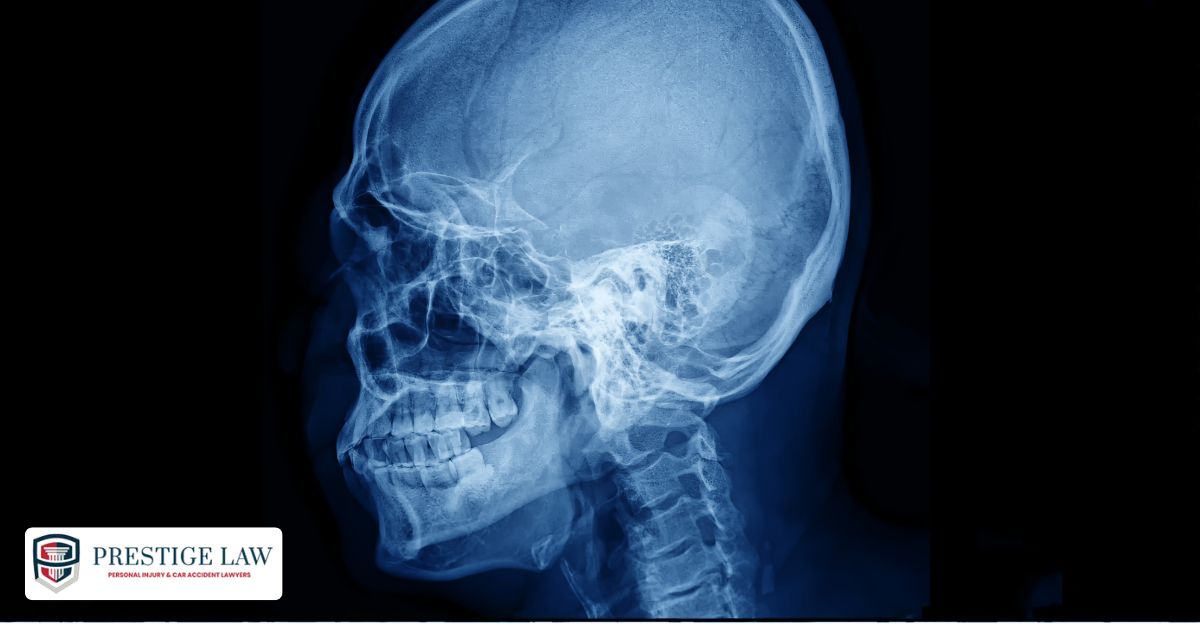
What is a concussion?
A concussion is a type of mild traumatic brain injury (TBI) caused by a sudden jolt or impact to the head or body. It makes the brain move inside the skull, potentially stretching or damaging nerves and blood vessels. Even if it doesn’t seem severe at first, it can temporarily disrupt how the brain functions.
Concussions are often misunderstood. While they’re not usually life-threatening, they can affect attention, coordination, and memory—abilities you need to drive safely. Many people recover fully from one concussion, but repeated injuries can lead to long-term neurological problems.
If you’ve had a recent fall, sports hit, or crash—even without losing consciousness—you may still have a concussion. That’s why recognizing the symptoms early and giving your brain time to heal is critical.
Common Symptoms of a Concussion
A concussion affects the brain’s ability to work properly. After a blow to the head or a hard jolt, the brain may swell slightly, misfire signals, or shift chemical balance. These changes can disrupt movement, memory, mood, and focus—skills every driver relies on.
Symptoms vary from person to person, and they don’t always show up right away. Some appear within minutes, while others take hours or days to develop. Watch for signs in four key areas:

Physical Symptoms:
- Headache or pressure in the skull
- Dizziness or balance problems
- Nausea or vomiting
- Blurred or double vision
- Sensitivity to light or sound
- Neck pain or fatigue
- Brief loss of consciousness (less common)
Cognitive Symptoms:
- Confusion or feeling mentally “foggy”
- Slower reaction time
- Trouble focusing or remembering things
- Difficulty processing new information

Sleep Disruptions:
- Sleeping more or less than usual
- Trouble falling or staying asleep
- Waking up unrested or groggy
Emotional and Psychological Changes:
- Irritability or mood swings
- Anxiety or sadness
- Feeling “off” or not like yourself
If you’re experiencing any of these symptoms—even mildly—it’s a clear sign your brain is still healing. Driving in this condition puts you and others at serious risk.
What causes concussions?
A concussion happens when the brain is shaken inside the skull due to sudden force. This can stretch or damage brain cells and interfere with normal brain activity—even if there’s no visible injury or loss of consciousness.
To picture it: imagine the brain like a soft object suspended in fluid. When the head is hit or jolted, the brain can slam into the skull, bounce back, and twist—all within seconds. That motion alone can be enough to cause injury.
Common Causes of Concussions:
- Car accidents
- Falls at home, work, or public spaces
- Bicycle or motorcycle crashes
- Physical assaults
- Sports injuries (e.g., football, soccer, hockey)
You don’t need to pass out to have a concussion. In fact, most cases involve people who remain conscious but feel dazed, confused, or off-balance afterward—often trying to “shake it off.” That’s a dangerous mistake, especially if you get behind the wheel.

Is it legal to drive with a concussion in California?
There’s no law in California that specifically says you can’t drive with a concussion. But that doesn’t mean it’s safe—or that you’re legally protected if something goes wrong.
Under California law, all drivers must be mentally and physically able to operate a vehicle safely. If concussion symptoms—like dizziness, confusion, or delayed reactions—interfere with your driving, you could be found legally at fault if you cause an accident.
Reckless Driving Laws
California Vehicle Code § 23103 defines reckless driving as operating a vehicle with “willful or wanton disregard for the safety of persons or property.” If you knowingly drive while impaired by a concussion and cause a crash, prosecutors may pursue reckless driving charges.
Penalties can include:
- 5 to 90 days in county jail
- Fines between $145 and $1,000
- Two points on your driving record
These charges can apply even without alcohol or drugs—just poor judgment caused by brain injury.
DMV Medical Fitness Standards
The California DMV requires all drivers to be medically fit to operate a vehicle safely. Under California Vehicle Code § 12806, the department may refuse or suspend a license if the person:
“Has a disorder characterized by lapses of consciousness or… an episode of marked confusion caused by any condition which may bring about recurrent lapses, or who has any physical or mental disability… which could affect the safe operation of a motor vehicle.”
This includes medical conditions like concussions, which can cause disorientation, confusion, or delayed reaction times. If the DMV receives a report from a doctor, police officer, or concerned party, they may order an evaluation, suspend your license, or require retesting.
Your Responsibility as a Driver
Even without a formal diagnosis, it’s your legal duty to judge whether you’re fit to drive. If you ignore symptoms and cause a collision, you may be held responsible in both criminal and civil court.
Before returning to the road, always get medically cleared by a doctor. Your decision could protect your health—and your future.
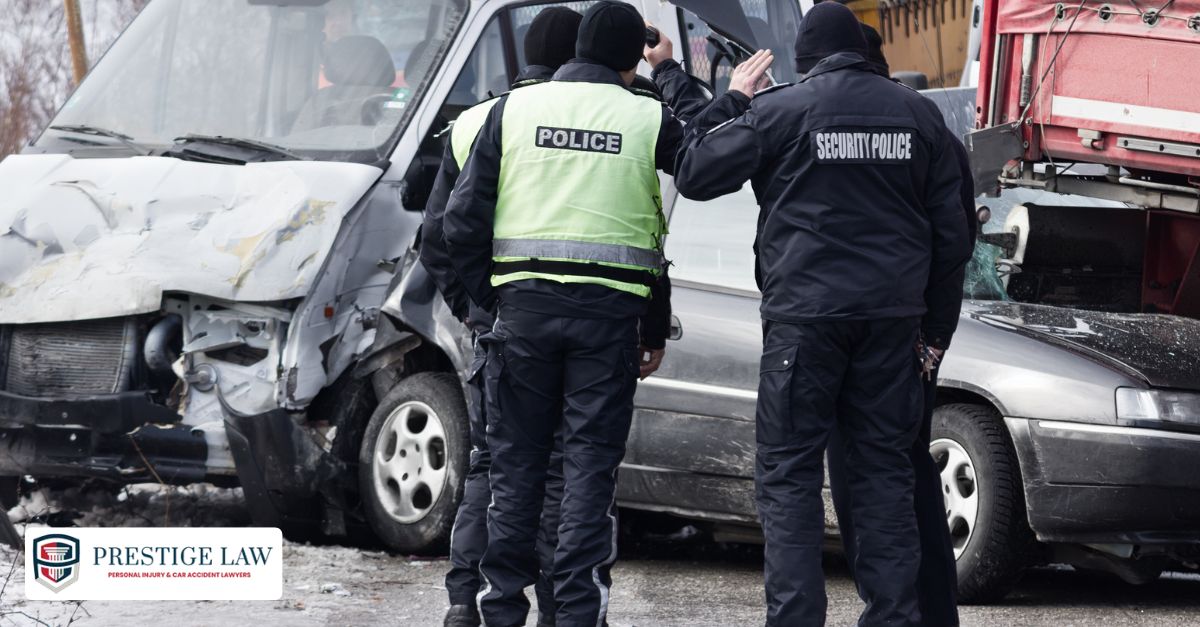
What are the legal consequences of causing an accident while concussed?
Driving while concussed puts more than your safety at risk. If your impairment leads to an accident, the legal fallout can be serious—both in and out of court.
Civil Liability
In California, every driver has a legal duty to operate their vehicle with reasonable care. If you cause an accident while experiencing symptoms like dizziness or delayed reactions, you may be considered negligent.
Negligence means you failed to act with the caution expected under the circumstances. If someone is injured, you could be responsible for:
- Medical expenses
- Lost income
- Property damage
- Pain and suffering
Even if you didn’t intend to harm anyone, driving while medically impaired can still result in liability.
Criminal Charges
In more serious crashes—especially those involving significant injuries or death—criminal charges may follow. Prosecutors could file charges like:
- Reckless driving
- Reckless endangerment
- Vehicular assault
- Vehicular manslaughter
Driving with known impairment, even from a medical condition like a concussion, can be used as evidence of disregard for others’ safety.
Insurance Complications
Insurance companies investigate the cause of accidents closely. If they find you were driving against medical advice or ignoring symptoms, they may:
- Deny your claim
- Refuse to defend you in liability lawsuits
- Cancel or non-renew your policy
Most auto policies require you to operate your vehicle in a safe, legal manner. Driving while impaired—whether due to alcohol or a brain injury—can breach those terms.
Is it safe to drive after a concussion?
Not really—and often not right away. Even if you feel “okay,” a concussion can quietly interfere with your ability to drive. Symptoms like light sensitivity, delayed reflexes, dizziness, or momentary confusion can surface hours or days after the injury.
That makes driving risky not only for you, but for everyone else on the road.
When Can You Safely Return to Driving?
Medical experts generally recommend avoiding driving for at least 24 to 48 hours after a concussion. However, this timeline can vary based on:
- The severity of symptoms
- Whether symptoms worsen with activity
- Your doctor’s evaluation and clearance
If symptoms persist—especially ones like blurred vision or cognitive fog—you should not drive.
Get Medical Clearance First
Before you get behind the wheel, see a healthcare professional. A doctor can evaluate your reaction time, coordination, and ability to make quick decisions. Getting medically cleared to drive isn’t just a precaution—it’s a step that protects you legally and could help in any insurance or legal claim.
Driving too soon can delay healing, increase crash risk, and open the door to liability. When in doubt, don’t drive—rest and recover first.
How a Lawyer Can Help
Whether you were the injured driver or the victim of someone else’s impaired driving, a concussion can complicate your legal situation. An experienced personal injury lawyer can guide you through the next steps and help protect your rights.
For Injured Drivers
If you suffered a concussion in a car accident and now face legal or insurance complications, an attorney can help by:
✔ Documenting your medical condition and treatment timeline
✔ Advising on how symptoms might affect fault or liability
✔ Helping protect your driving record during any DMV inquiry
✔ Representing you if you’re unfairly blamed due to post-concussion effects
Sometimes, concussed drivers are wrongfully assumed to be negligent—even when another party caused the crash. Legal representation ensures your side is fully understood.
For Accident Victims
If you were hit by a driver who was concussed at the time of the collision, an experienced lawyer can:
✔ Investigate whether medical impairment contributed to the crash
✔ Request medical records, driving logs, or statements for evidence
✔ Build a strong claim to maximize your recovery through compensation for:
- Emergency care
- Ongoing treatment
- Missed work
- Pain and suffering
Concussions complicate injury claims—both in proving fault and assessing damages. That’s why legal guidance from the start is essential.
Managing Insurance and Legal Claims
Concussed drivers often face scrutiny from insurance companies. A lawyer can:
✔ Handle all communication with insurers
✔ Push back on lowball offers
✔ Represent you in settlement negotiations or court if needed
When medical conditions enter the legal equation, it’s not enough to just tell your story—you need to back it up with the right documentation, arguments, and support.
Conclusion
Driving with a concussion isn’t just risky—it can have serious legal and financial consequences in California. Even mild symptoms like blurred vision, slowed reactions, or disorientation can turn routine driving into a liability.
Whether you’re recovering from a concussion or were injured by someone else who was impaired, legal clarity is essential. Knowing your rights, your risks, and your options can protect your health, your license, and your future.
At Prestige Law Firm, we understand the medical and legal complexity of brain injury cases. Led by attorney Paul Aghabala—with over two decades of personal injury experience—we fight to ensure your story is heard and your compensation reflects the real impact of your injuries.
We offer:
✔ Free, no-pressure consultations
✔ No fees unless we win
✔ Personalized attention from your lawyer, not an assistant
Serving Van Nuys, Palmdale, and clients throughout California, we’re here to help you move forward with confidence and support.
📞 (818) 788‑0808 or (661) 341‑3939
📧 paul@prestigelaw.com
Can a concussion affect your ability to drive?
Yes. A concussion can slow your reaction time, impair judgment, and affect coordination—making it unsafe to drive.
Is it legal to drive after hitting your head?
There’s no law that directly bans it, but if symptoms impair your ability and you cause an accident, you could face liability or criminal charges.
What are the risks of driving with a concussion?
You risk delayed reflexes, poor decision-making, and blurred vision—all of which increase the chances of causing a crash.
Can you sue someone for causing an accident while concussed?
Yes. If a driver’s impaired condition contributed to the accident, you may have grounds for a personal injury lawsuit.
How long should you wait before driving after a concussion?
Wait until all symptoms resolve and your doctor clears you to drive. For most people, this means at least 24–48 hours—but it could be longer depending on your case.

Get Started Today!
24 hours a day / 7 days a week / 365 days a year
Contact our Los Angles and Antelope team of attorneys for a free consultation.