Injured in a car accident or due to someone else’s negligence? Prestige Law’s experienced injury attorneys are ready to fight for you.
Book your free consultation today and let us help you win the compensation you deserve.

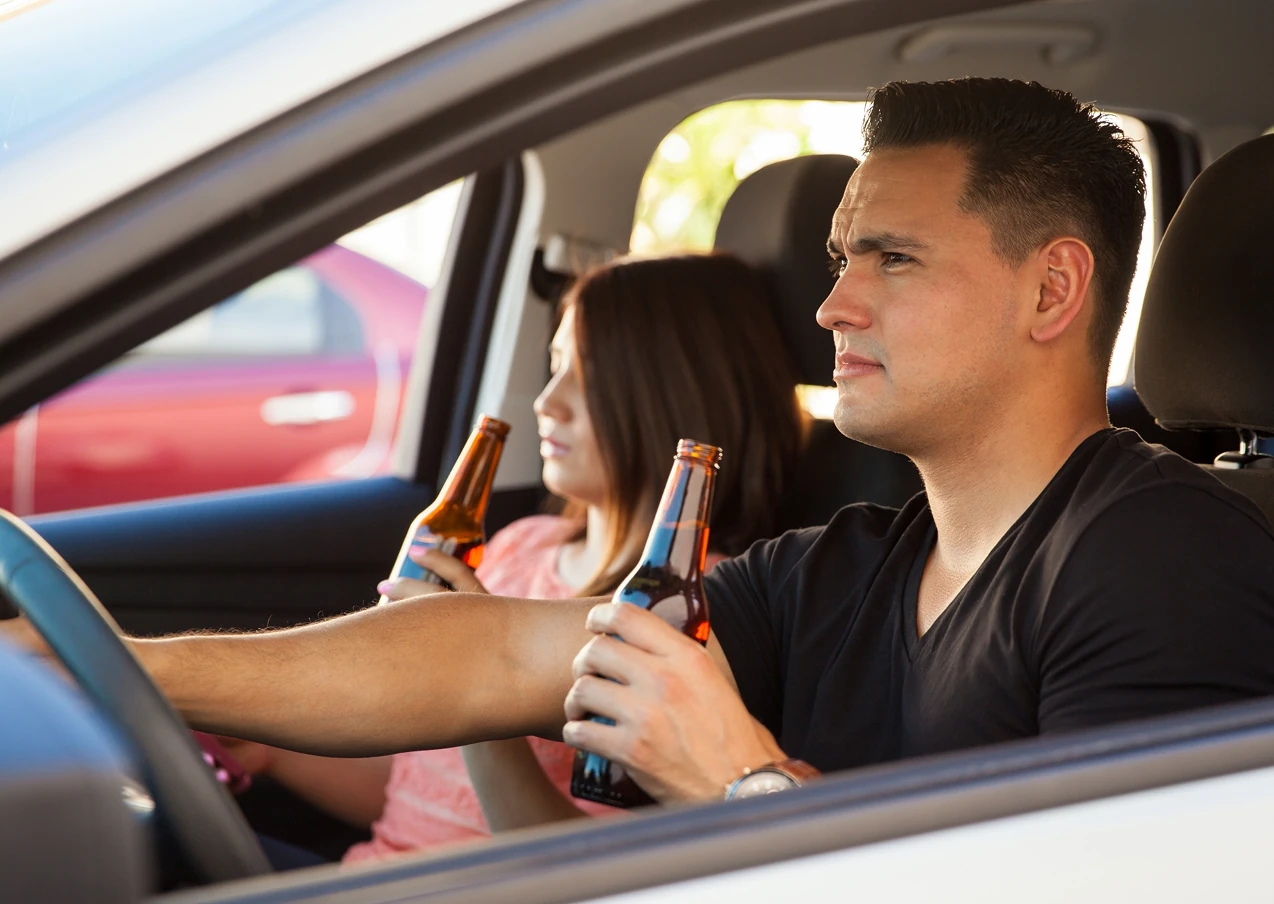




If you were hit by a drunk driver in Los Angeles, you’re likely dealing with more than just a damaged car. Medical bills, lost income, and pain can pile up fast—while the driver who caused it all faces criminal charges. But what about your civil claim?
At Prestige Law Firm P.C., we focus on holding impaired drivers fully accountable and fighting for every dollar you deserve. With over two decades of experience and millions recovered for clients across California, we help DUI accident victims recover medical costs, lost wages, and compensation for pain and suffering.
You won’t pay anything unless we win. Call today to start your case with a free consultation.

If you were injured in a DUI accident in Los Angeles, you have the right to seek compensation for medical bills, lost wages, and emotional suffering. California law supports victims through civil claims, even when the drunk driver faces criminal charges. Liability can also extend to employers, vehicle owners, or establishments that served alcohol to minors.
At Prestige Law Firm P.C., Los Angeles personal injury lawyer, Paul Aghabala brings over two decades of experience, proven trial results, and insider knowledge of insurance tactics. We investigate every angle, connect you with medical care, and fight for maximum recovery. No upfront fees — you pay nothing unless we win.
When you’re injured in a DUI crash, you may feel some relief knowing the driver faces criminal charges. But for victims, criminal prosecution alone doesn’t pay for hospital bills, missed work, or long-term care. That’s where a civil injury claim comes in.
At Prestige Law Firm P.C., we help DUI victims in Los Angeles file civil claims for compensation—separate from any criminal case. Here’s how California law supports your right to hold drunk drivers accountable:
California law makes it unlawful to drive under the influence of alcohol or drugs. If the driver is charged under Vehicle Code §23152, it can provide powerful evidence of negligence in your civil claim.
In other words, a criminal DUI charge strengthens your ability to recover compensation for medical bills, lost wages, and pain and suffering.1
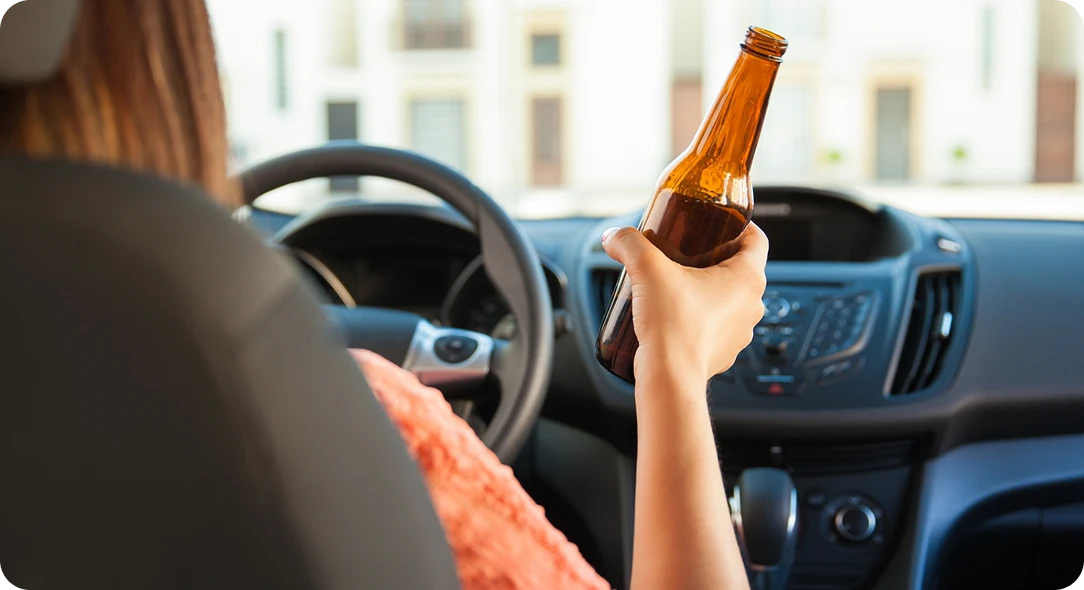
When a DUI crash results in injury, Vehicle Code §23153 applies. This statute makes it illegal to drive under the influence when doing so causes harm to another person. Key points include:
These provisions make it easier for victims to prove liability and recover damages in a civil case.2
While implied consent laws come from the criminal side, they play an important role in civil claims. Under Vehicle Code §23612, anyone arrested for DUI is considered to have already consented to a blood, breath, or urine test.
Why this matters for compensation: Test results—or refusal to test—can help prove impairment, which directly strengthens your civil claim for damages.4

While implied consent laws come from the criminal side, they play an important role in civil claims. Under Vehicle Code §23612, anyone arrested for DUI is considered to have already consented to a blood, breath, or urine test.
Why this matters for compensation: Test results—or refusal to test—can help prove impairment, which directly strengthens your civil claim for damages.4

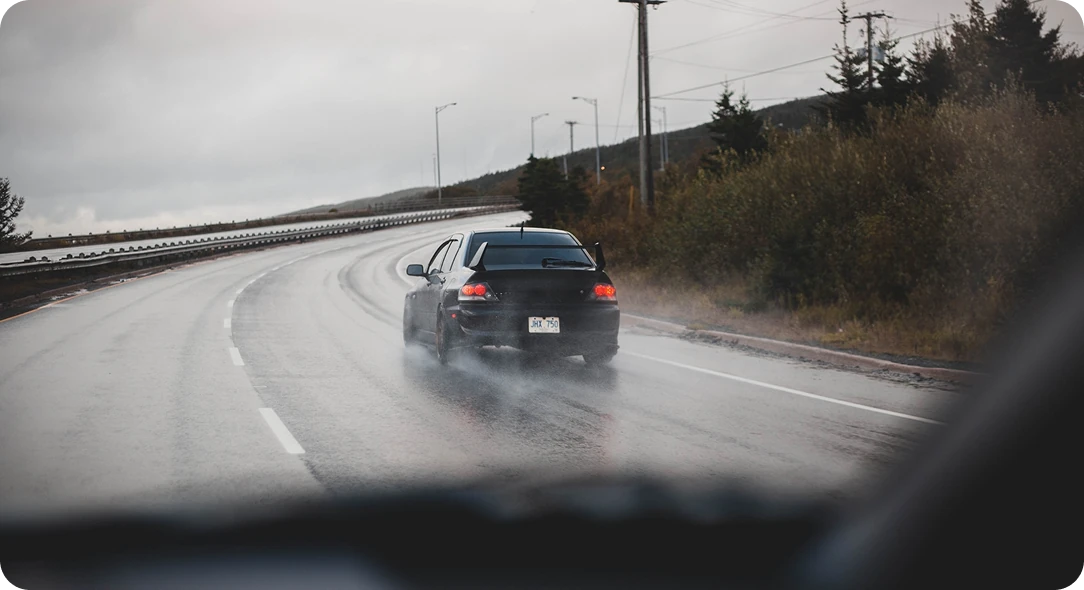
Not every case requires proving a high BAC. Sometimes liability is established through reckless driving alone. Under Vehicle Code §23103, it’s illegal to drive with “willful or wanton disregard” for the safety of others.
Examples of reckless driving include:
Even without a confirmed DUI charge, reckless conduct can establish negligence and support your right to compensation.5
Injured in a car accident or due to someone else’s negligence? Prestige Law’s experienced injury attorneys are ready to fight for you.
Book your free consultation today and let us help you win the compensation you deserve.
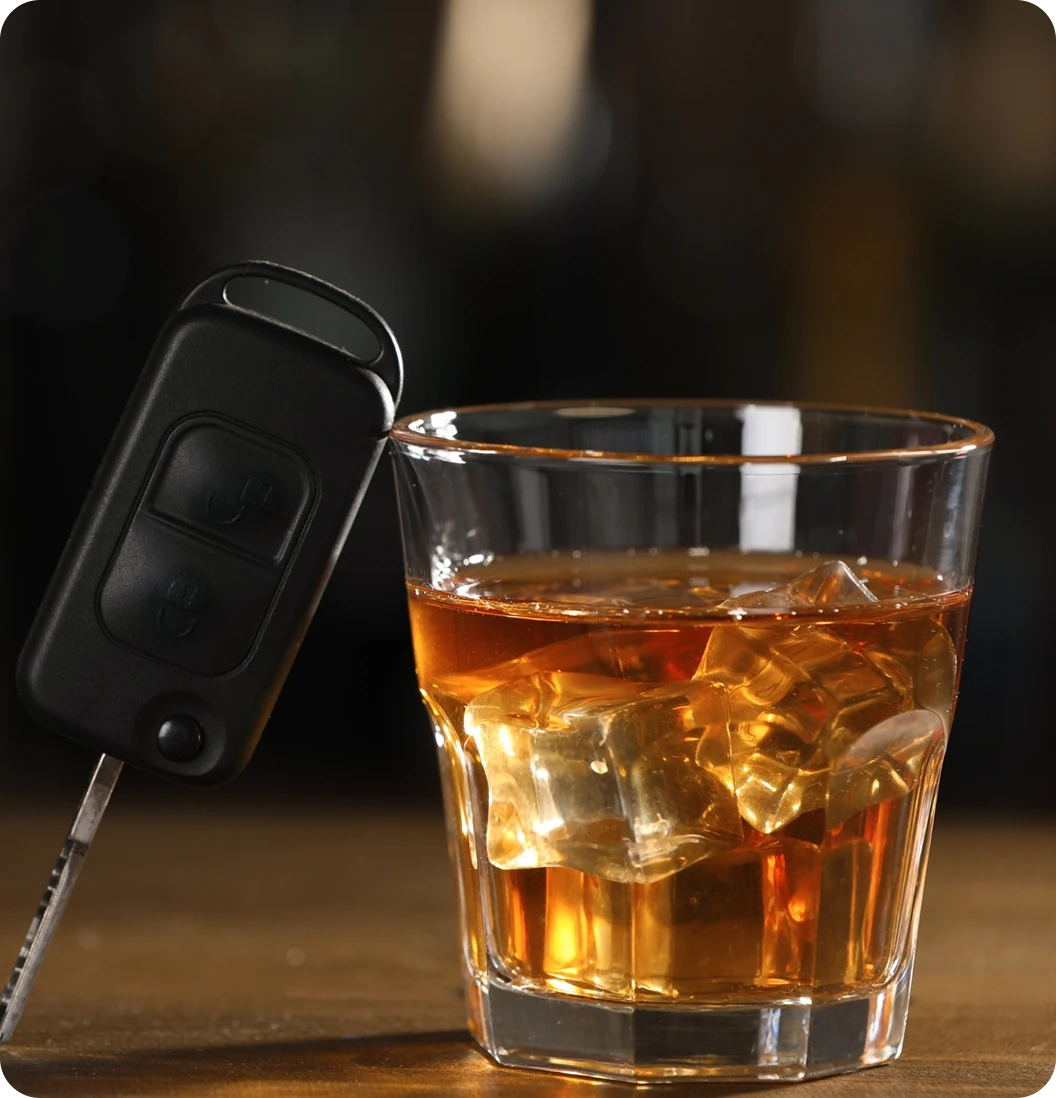
After a DUI crash, victims often wonder whether bars, restaurants, or even private hosts can be held responsible for serving alcohol to the driver. In California, dram shop liability is limited, but there are important exceptions — especially when minors are involved.

Dram shop liability refers to the responsibility of alcohol vendors or social hosts when the alcohol they provide contributes to a crash.
Unlike some other states, California law generally shields businesses and social hosts from liability for serving alcohol to adults. The act of drinking — not serving — is considered the direct cause of harm.

A licensed establishment may be held responsible if it sells or serves alcohol to a minor under 21 who later causes an accident. This exception applies to:
If an underage driver causes a DUI crash after being illegally served, the business can share liability for damages.

Private hosts are typically protected from lawsuits, but there is a key exception:
This rule is designed to discourage underage drinking and prevent avoidable tragedies.

While most DUI claims target the driver, dram shop and social host liability may provide additional avenues for compensation in cases involving minors. At Prestige Law Firm P.C., we investigate every possible party who may bear responsibility to maximize recovery for our clients.
Losing a loved one in a DUI crash is one of the most devastating experiences any family can face. While the drunk driver may face criminal charges, that alone does not cover the emotional and financial losses of surviving family members.
In California, certain relatives and dependents may file a wrongful death lawsuit to pursue justice and compensation.

Under California Code of Civil Procedure §377.60, a wrongful death claim may be filed by:
Each eligible party may recover damages for both personal and financial loss.6
A wrongful death lawsuit may provide compensation for:
These damages are meant to help families rebuild after a preventable tragedy.
Drunk driving crashes are often high-speed and high-impact, leaving victims with severe and sometimes life-changing injuries. At Prestige Law Firm P.C., we’ve seen firsthand the toll these injuries take on victims and their families.
Common injuries include:
If you were hit by a drunk driver, you may be entitled to recover more than just immediate medical bills. California law allows victims to seek compensation for both financial and non-financial losses, and in some cases punitive damages. At Prestige Law Firm P.C., we pursue every available category of damages to maximize your recovery.
These are the measurable, out-of-pocket costs tied directly to the crash:
Medical Expenses: Past, current, and future costs, including ER visits, surgeries, rehabilitation, prescriptions, and assistive devices.
These cover the intangible — but very real — impacts of a DUI accident:
Unlike economic and non-economic damages, punitive damages are designed to punish the drunk driver for reckless conduct and deter others from making the same choices. These may be awarded in cases where the driver’s behavior shows extreme disregard for the safety of others.
The hours and days after a DUI crash can be overwhelming. But the actions you take immediately can greatly affect both your recovery and the strength of your legal claim. Here’s what to do — and what to avoid:


By taking the right steps and avoiding common mistakes, you protect your health and strengthen your legal claim. At Prestige Law Firm P.C., we guide DUI accident victims through every stage of this process
Injured in a car accident or due to someone else’s negligence? Prestige Law’s experienced injury attorneys are ready to fight for you.
Book your free consultation today and let us help you win the compensation you deserve.
While the intoxicated driver is usually the primary party at fault, liability in a DUI accident can extend to others. Identifying every responsible party is critical to maximizing your compensation.
The Drunk Driver
The impaired driver is almost always liable. Their negligence entitles victims to pursue damages for medical bills, lost wages, property repair, and pain and suffering, in addition to the criminal penalties they face.
Vehicle Owners
If the driver did not own the car, the vehicle’s owner may share liability under negligent entrustment. For example, if an owner knowingly allows someone visibly intoxicated to drive their vehicle, they can be held responsible for resulting injuries.
Employers of the Drunk Driver
When a DUI accident occurs during work — such as a delivery driver, rideshare operator, or commercial trucker impaired while on duty — the employer may be liable under vicarious liability. Employers may also face exposure if alcohol was overserved at a company event.
Bars, Restaurants, and Other Vendors (Dram Shop Liability)
As discussed under Dram Shop Liability, alcohol vendors may be responsible if they serve alcohol to a minor who later causes a crash. Proving dram shop liability often requires retracing the driver’s steps and gathering records of alcohol service.
Social Hosts
Private hosts can sometimes be liable if they knowingly serve alcohol to minors who later cause harm. While California law limits social host liability for serving adults, providing alcohol to underage guests creates potential civil responsibility.
At Prestige Law Firm P.C., we investigate all possible avenues of liability — from drivers and employers to businesses and social hosts — ensuring no responsible party escapes accountability.
Every DUI accident case is different, and there’s no fixed formula for determining how much compensation a victim should receive. Courts, insurers, and juries weigh multiple factors when assigning value to a claim. At Prestige Law Firm P.C., we carefully evaluate each of these to pursue the maximum possible recovery.

The more serious and lasting the injuries, the higher the potential compensation. Catastrophic harm — such as traumatic brain injuries, spinal cord damage, or paralysis — often leads to lifelong medical needs and reduced independence.

Compensation must account for both current and future medical needs. This can include:
Future treatment costs are often supported by expert testimony to ensure coverage for years ahead.

Victims can recover for income lost during recovery. If injuries permanently reduce the ability to work or force a career change, damages may also cover diminished earning capacity.

Non-economic damages compensate for the intangible effects of a DUI crash, such as:
California follows the doctrine of pure comparative negligence. Victims can recover damages even if they share some responsibility for the crash, though their award is reduced by their percentage of fault. For example, a victim found 20% at fault would still receive $80,000 of a $100,000 award.
After a DUI accident, many victims feel overwhelmed by medical treatments, lost wages, and pressure from insurance companies. At Prestige Law Firm P.C., our mission is simple: remove that burden from your shoulders and fight for the justice and compensation you deserve.

Every case starts with a no-cost consultation. We review your accident details, explain your rights under California law, and give you a clear roadmap for moving forward. This includes analyzing police reports, DUI arrest records, medical documentation, and insurance information.

Insurance companies act fast after a crash — sometimes before victims even leave the hospital. Their goal is to minimize payouts. Our team takes over communication with insurers right away, preserving your rights and ensuring time-sensitive evidence is not lost.

Your health is the top priority. We connect clients with leading medical providers across Los Angeles. If you cannot afford upfront care, we arrange treatment through medical liens so you pay nothing until your case resolves.

DUI accident claims require strong proof of both liability and damages. We gather:
We don’t just accept surface-level reports — we dig deeper to uncover every fact that strengthens your claim.

Once evidence is gathered, we prepare a detailed demand package for the insurance company. This outlines how the crash happened, the full extent of your injuries, and the financial and emotional toll. We then press aggressively for a fair settlement.
Most DUI claims settle before a lawsuit is filed. We handle all negotiations, including issues with UM/UIM coverage, MedPay, and lien reductions, while working to maximize the amount you take home.
If the insurer refuses to pay fairly, we escalate. We file a lawsuit in Los Angeles Superior Court, cover litigation costs upfront, and prepare the case for trial.
Before trial, many cases go through mediation or arbitration. We use these processes strategically to push for higher offers — but only recommend settlement if it’s in your best interest.

If necessary, we present your case before a jury. Our trial lawyers use compelling evidence and expert testimony to show the full impact of the crash, often leading to larger awards.
At Prestige Law Firm P.C., we know a DUI crash can change your life in an instant. That’s why clients throughout Los Angeles, including Van Nuys and Palmdale, trust us to fight for justice with personalized, aggressive representation.
Attorney Paul Aghabala brings more than two decades of experience handling DUI and catastrophic injury cases. Our firm knows the intricacies of both civil injury law and DUI statutes, ensuring clients benefit from well-rounded legal strategies.
We’ve secured numerous seven- and eight-figure verdicts and settlements for injury victims. Whether your case involves straightforward injuries or complex damages, our record shows we know how to deliver results.
Unlike larger firms where clients are handed off to case managers, at Prestige Law Firm you work directly with Attorney Paul Aghabala. You’ll have open communication and a lawyer who knows your case inside and out.
Our contingency fee model means you pay nothing upfront. If we don’t win your case, you owe us nothing. This ensures that top-quality legal representation is accessible to everyone, regardless of financial situation.
We look at the entire picture: medical care, lost wages, property damage, and future needs. If your crash occurred while on the job, we coordinate your workers’ compensation claim alongside your civil lawsuit.
With years of experience defending insurance companies — and former adjusters on our team — we understand insurance tactics. This gives us a unique advantage in anticipating and countering lowball offers.
Our attorneys have been recognized with distinctions such as Super Lawyers and Rising Stars. More importantly, we are fully prepared to try cases in front of juries when insurers refuse to pay fairly.
We work with top medical providers, accident reconstruction experts, and toxicologists across California. Their testimony strengthens your claim and ensures your injuries are fully documented.
We limit our caseload so each client receives dedicated, customized attention. At Prestige Law Firm, you’re never just a number — your case is built with precision and care from start to finish.
Being hit by a drunk driver can turn your life upside down. Between medical bills, lost income, and emotional trauma, recovery can feel overwhelming. You don’t have to face it alone.
At Prestige Law Firm P.C., we bring more than 20 years of experience, a proven track record of seven- and eight-figure results, and a client-first approach that puts your needs at the center. From Downtown Los Angeles to Van Nuys and Palmdale, we’ve helped countless victims rebuild their lives after devastating crashes.
Our goal is simple: fight for the maximum compensation you deserve and hold impaired drivers accountable. Whether through aggressive negotiation or trial, we won’t stop until you and your family get justice.
Call us today at (818) 788-0808 or (661) 341-3939, or email paul@prestigelaw.com for a free consultation.
No upfront fees. No risk. You only pay if we win.
Let us handle the legal battle so you can focus on healing.
Direct attorney access | No fees unless we win
Yes. Civil liability does not depend on a criminal conviction. You can still sue for damages in a personal injury or wrongful death case.
Your own insurance may cover initial costs, but the at-fault driver’s insurer is ultimately responsible for your medical expenses.
In most cases, you have two years from the date of the accident to file a personal injury claim under California’s statute of limitations.
Yes. Courts may award punitive damages in DUI cases to punish reckless behavior and deter others from driving under the influence.
Yes. Under California’s pure comparative negligence rule, your award is reduced by your percentage of fault, but you can still recover compensation.
While not legally required, a police report is highly valuable evidence and can significantly strengthen your case.
Yes. Other evidence such as officer observations, field sobriety test results, video footage, and witness accounts can demonstrate impairment.
Having a lawyer is strongly recommended because DUI claims are complex. With a contingency fee arrangement, you pay nothing unless your lawyer secures compensation for you.
24 hours a day / 7 days a week / 365 days a year
Contact our Los Angles and Antelope team of attorneys for a free consultation.
 Activated
 Car Accidents Lawyer in Los Angeles
 Truck Accidents in L.A
 Catastrophic Injuries in Los Angeles
 Auto vs. Pedestrian
 Brain Injuries
 Construction Accidents Lawyer In Los Angeles