

What to Do After a Car Accident in California: Post-Accident Checklist
A clear, step-by-step checklist for the first minutes, hours, and days after a crash.
Prestige Law Firm, P.C. serves injured people from offices in Van Nuys, Encino, and Palmdale.
What Do You Need Right Now?
A crash can leave you shaken and unsure what to do first. Take a breath. You do not need to solve everything at once. Start with your immediate safety. Then use this car accident checklist to work through the information, health, reporting, and insurance steps that may matter next.
Your After-Accident Checklist at a Glance
Take a breath. Use this list to keep track of information, health, and reporting.
Want to keep this checklist offline on your phone or in your glove box?
Step 1:
First 5–10 Minutes: Protect Yourself and Others
The first steps to take after a car accident in California are about safety.
Do This
If no one is injured, California DMV guidance says to move the vehicle out of traffic and then call 911.
Avoid This, and Why
-
Don’t leave before exchanging the required information.
Depending on the circumstances, leaving the scene can create serious legal consequences.
-
Don’t assume you are fine because you feel no pain.
Some symptoms may not become noticeable until later.

From Our Files
One Prestige Law client was rear-ended on the 405 Freeway during rush hour. He moved his vehicle safely to the shoulder and contacted CHP. Minutes later, another vehicle lost control and struck the area where his disabled vehicle had originally stopped. Moving out of active traffic helped keep him away from the location of the secondary collision.
Step 2:
First 30–60 Minutes: Secure the Scene and Get Help
Once immediate danger is under control, focus on people, information, and the vehicle.
Do This
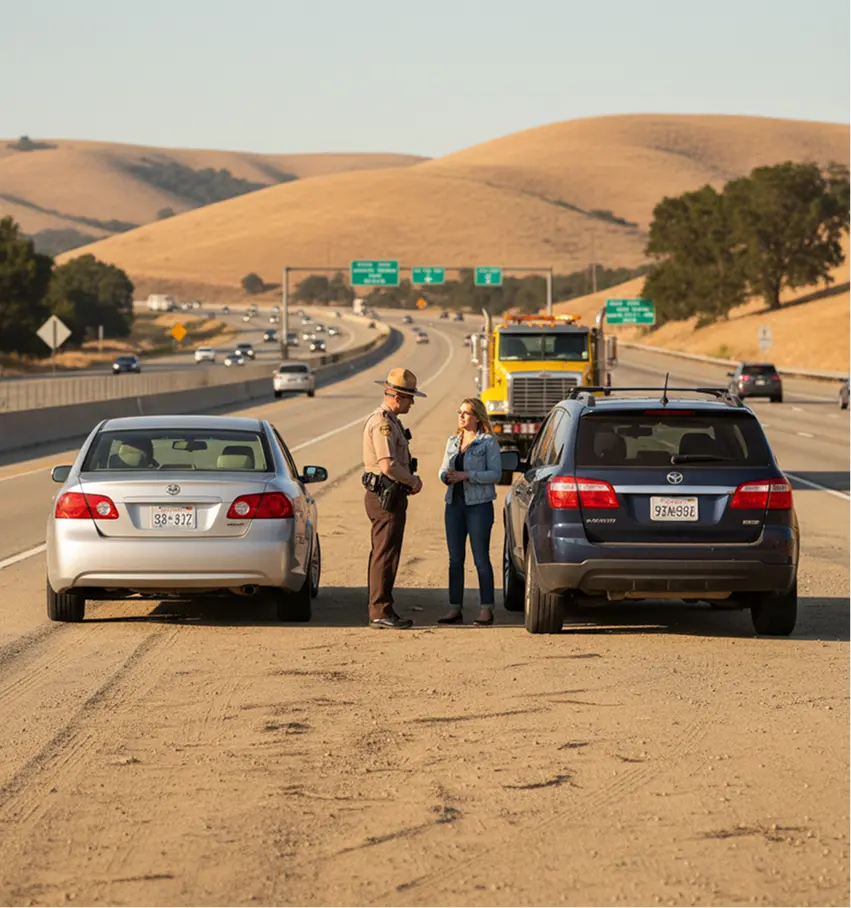
If anyone is injured or killed, report the collision to law enforcement within 24 hours.
Avoid This, and Why
-
Don’t argue about who caused the crash.
An argument can distract from safety and make it harder to collect information.
-
Don’t guess about speed, distance, or facts you did not see.
Stick to what you actually observed.
-
Don’t declare that the crash was your fault.
The full circumstances may not yet be clear.
From Our Files
One Prestige Law client was rear-ended but saw no obvious vehicle damage and initially felt no pain, so he let the other driver leave without collecting her information. After driving away, he noticed a noise and later learned there was substantial damage beneath the bumper. Within hours, he also developed significant neck and back soreness and sought urgent care.
Step 3:
At the Scene: Exchange Information and Photograph Everything
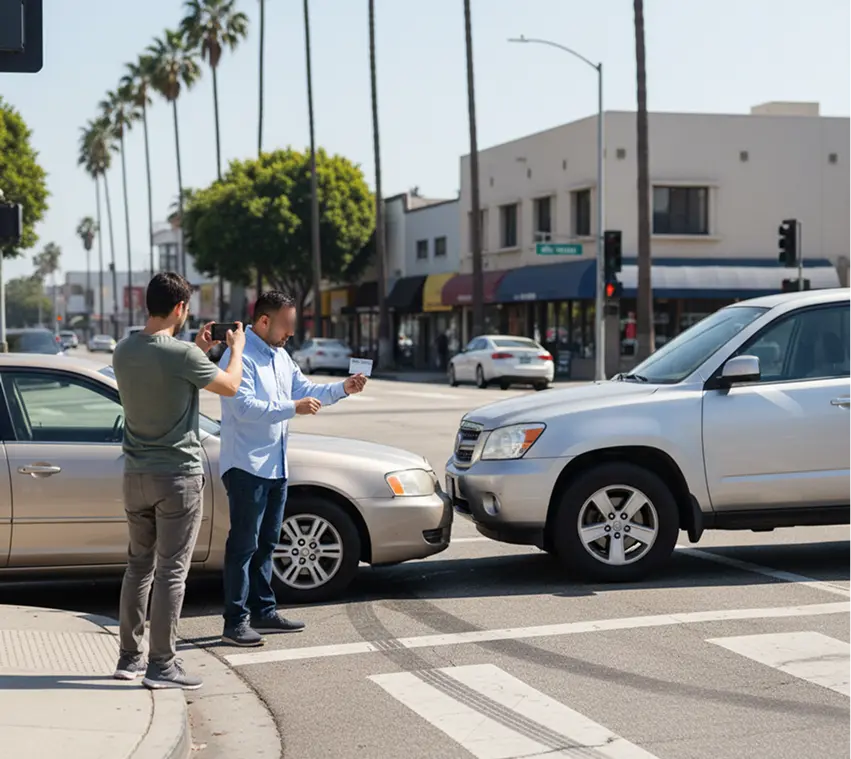
You may need these details later, so collect them before people leave.
Do This
Avoid This, and Why
-
Don’t rely on memory alone.
Stress can make important details harder to remember later.
-
Don’t photograph only your own vehicle.
The full scene and damage to every vehicle can help document what happened.
Information to Collect
Other Driver
- Full name
- Address
- Phone number
- Driver’s license number
- Insurance company
- Policy number.
Other Vehicle
- Make and model
- Color
- License plate
- Registered owner and address
- VIN if visible.
Witnesses
- Name
- Phone number
- What they saw.
Witnesses can leave quickly. Ask for their contact details early.
Photo Checklist
Make a short note about what happened. Include your direction of travel, lane, location, and what you saw immediately before the collision.
From Our Files
One Prestige Law client suffered a broken nose, tinnitus, and a mild traumatic brain injury in a T-bone collision where the other driver disputed who had run the red light. The client’s son photographed the scene and surrounding area, revealing a nearby camera. Video from that camera, together with the other evidence, helped establish what had happened.
Step 4:
Before You Drive Away: Complete Your Final Checks
Once everyone leaves, missing information can be much harder to recover.
Do This
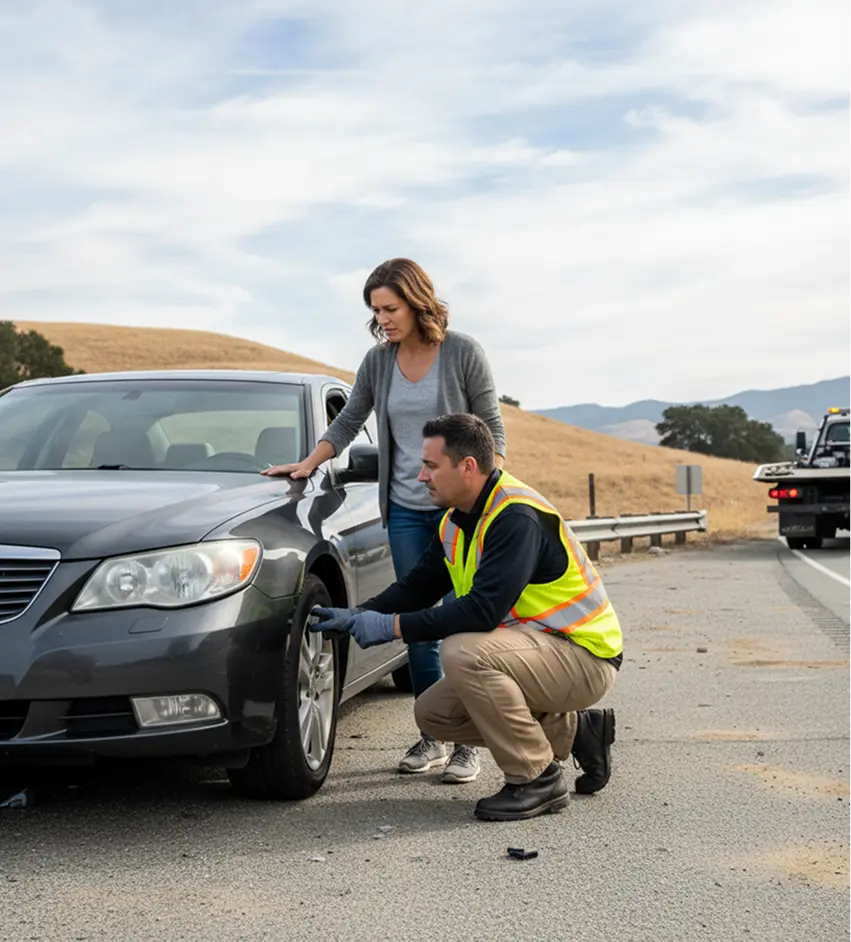
Before driving, check the tires, steering, lights, and visible leaks. If the vehicle feels unsafe, do not drive it. If you hit an unattended vehicle or other property and cannot find the owner, California DMV guidance instructs drivers to leave their name, phone number, and address securely attached and report the collision to law enforcement.
Avoid This, and Why
-
Don’t leave because another driver says you can “handle it later.”
Collect the information you need before you go.
-
Don’t drive a vehicle that feels unsafe.
Crash damage can affect steering, tires, lights, or other systems.
From Our Files
In some Prestige Law matters, another driver has refused to provide identifying or insurance information after a collision. When that happens, obtaining the license plate number can become especially important. Photographing the plate, contacting law enforcement, and saving any information provided by the responding officer can help preserve details that may otherwise be difficult to recover later.
Step 5:
Later Today: Check Your Health, Report the Crash, and Save Your Records
Once you are home, symptoms and practical questions may become more noticeable.
Do This
Avoid This, and Why
-
Don’t minimize symptoms when speaking with a healthcare provider.
Describe what you actually feel and when it began.
-
Don’t guess when reporting the crash.
Give the facts you know rather than filling gaps with assumptions.
-
Don’t post about your crash or recovery publicly.
Public posts can be seen and interpreted without their full context.


Do I Have to Report a Car Accident to the DMV?
California requires a Report of Traffic Accident Occurring in California (SR-1) within 10 days if anyone is injured, even slightly, or killed, or if property damage exceeds $1,000. The SR-1 is required separately from reports made to police, CHP, or an insurance company.
Watch for Delayed Injury Symptoms After a Car Accident
Symptoms that may appear or become more noticeable later include:
Call 911 or seek emergency care for severe or rapidly worsening symptoms.
From Our Files
One Prestige Law client initially declined ambulance transportation because she believed she had only minor soreness. Later that evening, she developed severe neck pain and numbness in her arm. She sought medical attention as her symptoms developed, and imaging identified injuries that required months of treatment.
Step 6:
The Days After: Track Your Recovery and Costs
A simple record can help you keep medical, work, repair, and insurance information together.
Do This
Keep:
- Medical bills
- Prescription and medication receipts
- Ambulance charges
- Towing and storage bills
- Repair estimates
- Rental-car expenses
- Transportation costs for appointments
- Lost-pay records
For insurance calls, record the date, representative’s name, claim number, and what you discussed.

Avoid This, and Why
-
Don’t throw away bills, receipts, or insurance letters.
You may need them to document your expenses.
-
Don’t exaggerate or minimize your symptoms.
Accurate information matters for both medical care and any later claim.
-
Don’t sign a release or settlement you do not understand.
Find out what rights or claims the document resolves before signing.
From Our Files
One Prestige Law client entered into a settlement with an insurance company about a week after her accident, before she understood the extent of her property damage and injuries. The settlement did not leave her with enough to cover the vehicle repairs and extensive medical care she later needed. Her experience illustrates why the terms and scope of an early settlement deserve careful review.
Five Mistakes That Can Cost You After a Crash
-
1
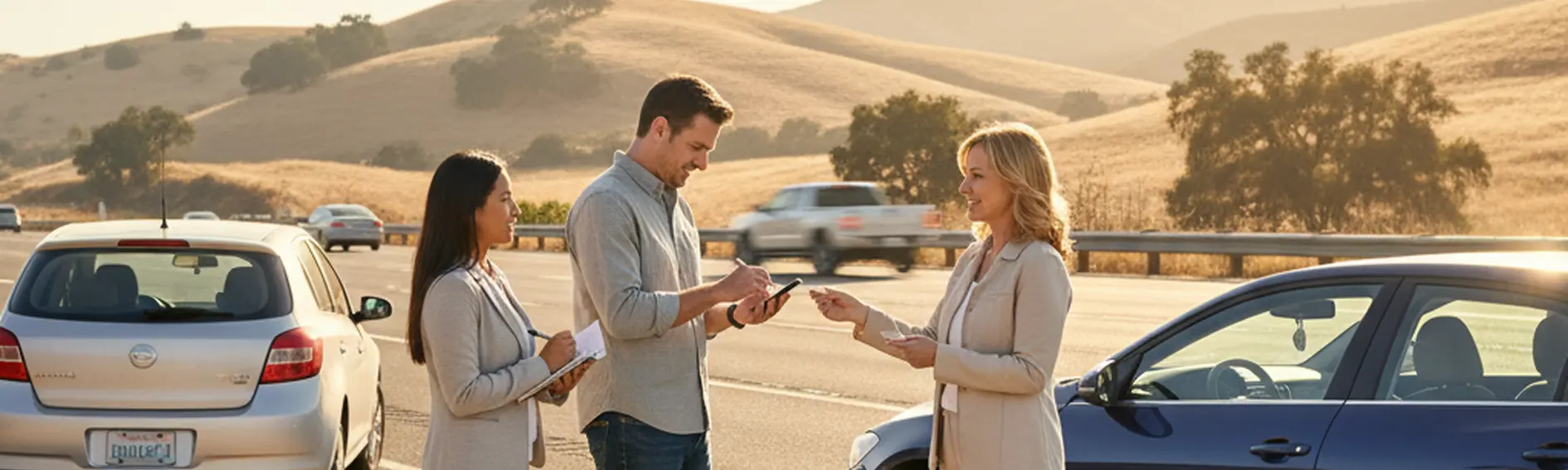
Leaving before exchanging information.
Missing driver or insurance details can create legal and practical problems.
-
2
Admitting fault before the facts are clear
A quick statement may later be treated as an admission.
-
3
Letting witnesses leave unidentified
Their account may become important if the drivers disagree.
-
4
Ignoring new or worsening symptoms
Delayed evaluation can affect your health and leave gaps in the medical record.
-
5
Accepting a fast settlement without understanding it
A release may resolve claims before the full impact is known.
When Is It Worth Speaking With a Personal Injury Lawyer?
Not every minor car accident requires a lawyer. But a conversation may be useful when the situation is becoming difficult to manage alone.
A consultation can help you identify the information to preserve, understand which insurance coverage may apply, and evaluate your next steps.

Consider getting legal guidance if:
- Your injuries are moderate or serious.
- Your symptoms are not improving.
- You need ongoing medical treatment.
- You are missing significant time from work.
- Someone disputes who caused the crash.
- Several vehicles or parties were involved.
- The other driver is uninsured or underinsured.
- A commercial or rideshare vehicle was involved.
- A government vehicle or entity may be involved.
- An insurer denies coverage.
- An adjuster requests a detailed recorded statement.
- You feel pressured to settle before you understand your losses.
Talk to Prestige Law Firm, P.C.
Prestige Law Firm, P.C. represents injured people throughout Los Angeles County and the Antelope Valley, with offices in Van Nuys, Encino, and Palmdale.
A free consultation gives you an opportunity to explain what happened, ask questions, and learn what legal options may be available. In qualifying personal injury cases, contingency-fee representation may be available, with attorney fees contingent on recovery.
- Van Nuys: 818-788-0808
- Encino: 818-425-9815
- Palmdale: 661-341-3939
Frequently Asked Questions
Do I have to call the police after a car accident in California?
What if I feel fine at the scene but sore the next day?
Do I have to report the accident to the DMV?
Should I give the other driver’s insurer a recorded statement?
How long do I have to take legal action after a California car accident?
This checklist provides general educational information and is not legal advice. Every collision is different, and appropriate steps may depend on the facts, applicable law, insurance coverage, and other circumstances. Viewing or using this checklist does not create an attorney-client relationship.