






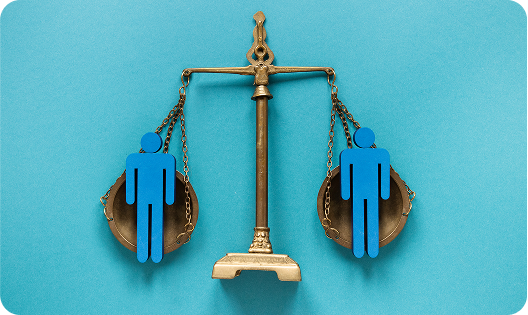

Understanding Different Forms of Discrimination
In the context of discrimination. There are many different protected classes, members of which enjoy significant rights with regard to pursuing a discrimination-related employment dispute in California. Though the basic, underlying factors that govern the discrimination at issue are the same. A discrimination claim can take on a somewhat different character (and may require a different litigation strategy) depending on the protected class of the plaintiff involved in the case.
Racial discrimination involves discrimination against an employee on the basis of their ethnicity or racial heritage. This can be broad or highly specific. For example, an employer may be found liable for discrimination. If they take adverse employment action against you because you are “Black.” In the alternative, they may be found liable if they discriminate against you. Because you have a “Yoruba” ethnic heritage.
Color discrimination is a subtle form of discrimination that is unfortunately common. Even among people who share the same racial or ethnic heritage. For example, an employer might treat an Indian employee more favorably because he or she is light-skinned. Whereas they might treat another Indian employee poorly because he or she is dark-skinned. Despite the fact that both employees share the same racial background. This would constitute color discrimination.
Employers may not discriminate against employees on the basis of their national origin. This can be a major issue in some workplaces, as sensitivity to other peoples’ national origin (and culture) is not as widespread or well-accepted as sensitivity to other peoples’ racial heritage or gender.
Age-related discrimination is rather common in more youthful industries. Such as the tech industry in Silicon Valley. Employees may find that they are slowly pushed out of the workplace through aggressive monitoring/review tactics or may inspire to shift into a department of the company that is older. If you are a capable employee and have no serious conflicts with your co-workers. Then it’s certainly possible that the adverse actions being taken by your employer are founding on age-related discrimination.
Reasonable accommodations should give to Disabled employees. The core issue in disability discrimination is typical whether the employer provided a reasonable accommodation. The limit established by law is undue hardship — if the accommodation would create an undue hardship for the employer. Then they are not able to provide it.
Employees are also protected from religious discrimination. Religious discrimination may take many forms but like the disabled. Such employees also have a right to request reasonable accommodations for their religious beliefs.
Sex discrimination works both ways in California: both men and women may bring a discrimination lawsuit against their employer for sex discrimination. It applies somewhat more broadly than many people anticipate — for example, if your employer fires you because you have become pregnant, that may qualify as sex intolerance (as it is directly related to your gender). Similarly, if an employer makes negative comments about your work and claims that you work poorly during “menstruation,” that would almost certainly qualify as sex discrimination.



 Car Accidents Lawyer in Los Angeles
 Truck Accidents in L.A
 Catastrophic Injuries in Los Angeles
 Auto vs. Pedestrian
 Brain Injuries
 Construction Accidents Lawyer In Los Angeles